Sign Up For City Newsletters
 Text Size
 Translate
What Goes Where?
The City of Evanston, in collaboration with the Solid Waste Agency of Northern Cook County (SWANCC), will be conducting a 4-week recycling cart tagging and education program in select neighborhoods, funded by SWANCC and the U.S. Environmental Protection Agency’s Chicago Metro Recycling Education and Outreach Grant Program.
What is the purpose of cart tagging?
The goals of the program are to encourage proper recycling and reduce recycling contamination through direct feedback on the materials placed in your recycling cart.
Including unacceptable items in your recycling cart is dangerous and costly for our recycling haulers and processors. With immediate feedback on the quality of your material, you are better informed of what can – and can’t – be recycled in your cart. Staff will keep track of trends in recycling practices observed and use this data to create relevant educational materials for the community.
How does cart tagging work?
A staff team will walk along the street or in the alleys in the tagging area on garbage collection day each week during the tagging period to check recycling carts for contamination (items not accepted through curbside recycling). Staff will be easily identifiable with high-visibility vests.
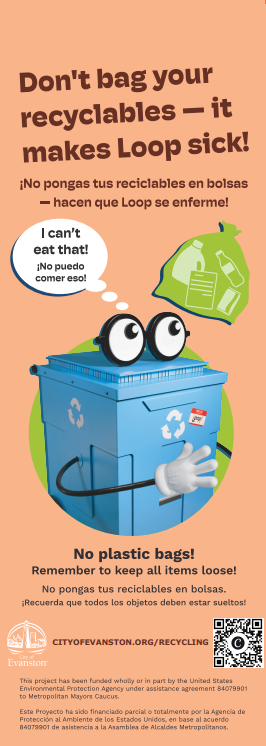
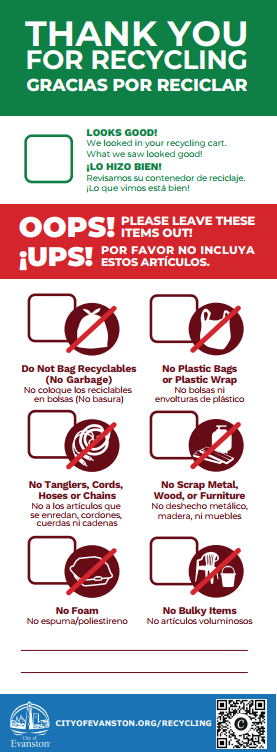
Staff will open recycling carts and look inside but will not touch the contents. A paper tag will be distributed to the audited household front door or mailbox, and staff will mark “Thank You!” when all visible materials are good recyclables or “Oops!” to identify items that don’t belong in the recycling cart.
Will this affect garbage and recycling collection service?
No, garbage and recycling will be collected as normal. Tags are solely educational and will not impact collection.
Who do I contact with questions?
Contact 311 with any questions about cart tagging and recycling correctly.
Program Materials
Example of the postcard with guidelines households in these areas will be receiving prior to tagging.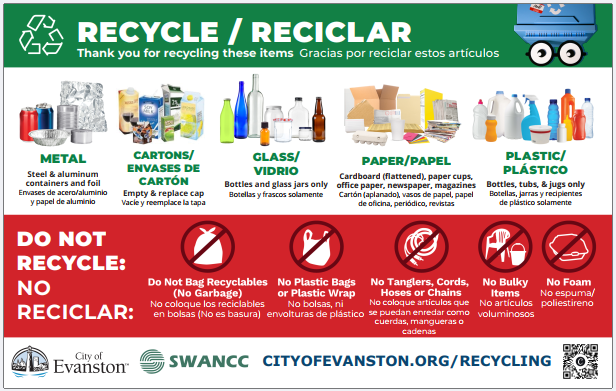
Cart Tagging Area
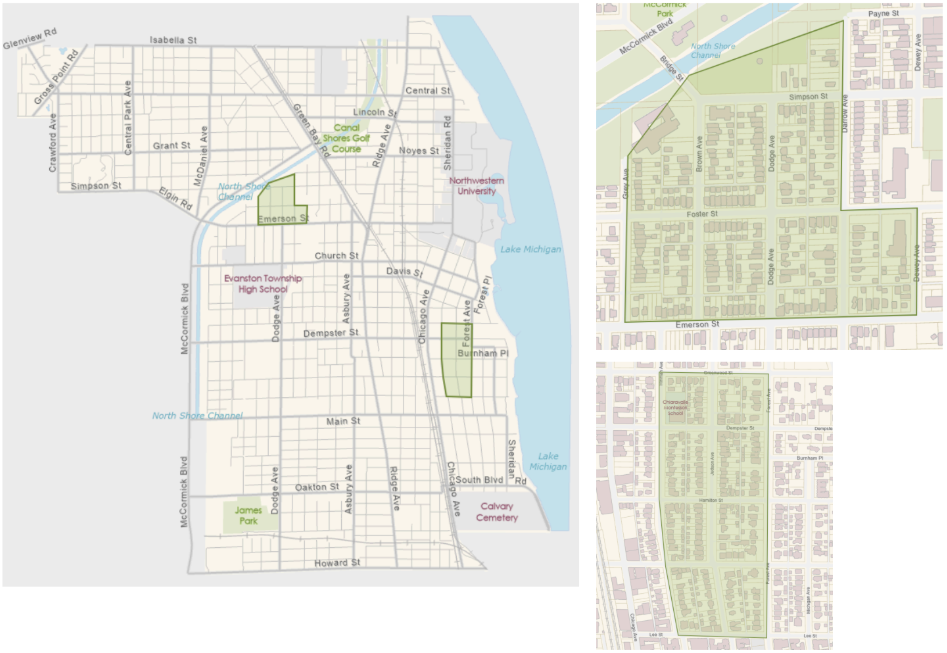
Below are the areas where cart tagging will be conducted. These are in our Wednesday and Thursday collection zones.
Wednesday Collection zone is between the following streets.
West of Darrow Ave and Dewey Ave (south of Foster St) to East of Grey Ave.
North of Emerson St. to North Shore Channel
Thursday Collection Zone is between the following streets
West of Forest Ave to East of Hinman Ave
North of Lee St to South of Greenwood St.
Recycling and composting help reduce waste, greenhouse gas pollution, and litter. So, we strive to recycle and compost as much as possible. However, not everything we wish to recycle or compost can be recycled or composted. And when something goes in that doesn’t belong, it contaminates all the rest.
It is important to be sure that what you place in Recycling and Composting is accepted. Below is the City’s Recycle Coach directory, where you can look up hundreds of materials and find which waste containers they are allowed in. Or, find information on drop-off locations or nearby collection events.
IF YOU LIVE IN A MULTI-FAMILY BUILDING, you may not have the same program or accepted materials list. Please check with your building owner or coop/condo board to get a list of the items accepted by the waste hauler that picks up your building’s waste.
Special Collections
Below is a list of different state stewardship programs, as well as local Evanston-specific programs for different materials.
-
We understand the frustration around rules changing, there are some typical reasons why rules might change:
-
Changes in where the material is going could be a factor. A new or different facility could mean there might be different requirements or technology that is used that either makes more material accepted or might not. There is also a preference, some facilities might not want the extra hassle of saying they accept a certain item because it could mean people aren’t paying as close attention and placing non-accepted in, and that additional contamination isn’t worth the headache.
-
Markets change, and most recycling or composting facilities rely on their final product having a buyer available. If there is no end market available that might mean that a certain material can no longer be accepted. Recycling especially is at risk of this as the materials are sold on commodity markets. These are just unfortunate realities that have to be navigated.
-
New legislation could have been passed at state or federal levels that could adjust how certain material is handled and could cause materials to change. For example, back in the 90’s in Illinois, the state banned yard waste from going to the landfill, which required an entirely different means of managing that material which set out new rules that people had to abide by.
At the end of the day, the rules will likely continue to change as these types of factors change.
-
Yes, learn about the recycling process here
(This is currently a map of Chicago's collection, while not specific to Evanston's operation, the general premise is similar as to how the Material Recovery Facilities operate and where commodities tend to go after) -
More to come on Composting Process
- More to come on Landfilling Process
-
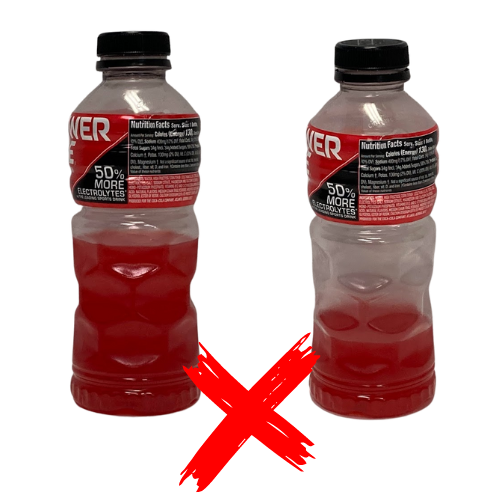
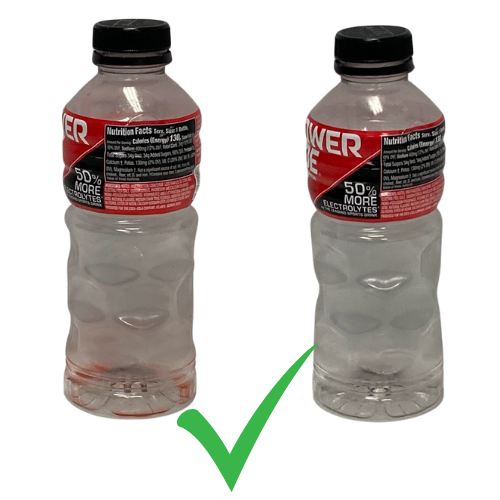
Generally if the container or item has been used normally that is sufficient to be empty
-
Contents shouldn’t ¼ or ½ full still; if they are they will likely cause quality issues for all recyclables collect
-
Generally a quick rinse is sufficient; for certain items that are tougher to clean (peanut butter, grease, etc.) consider using a paper towel to wipe out the container.
-
We ultimately don’t want food soiled items in our recycling program as they degrade the value of the materials
-
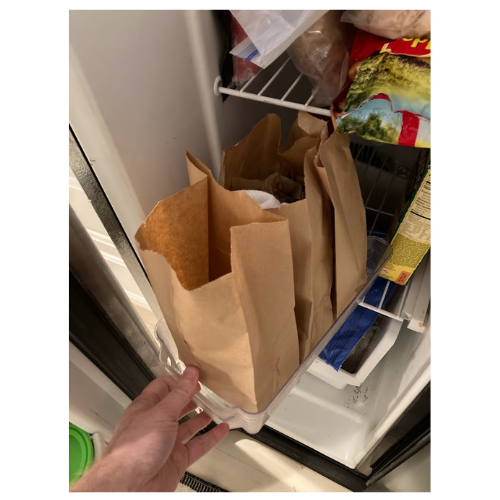
Ideally we are emptying the contents that are inside the paper bag to help sorting material at the Material Recovery Facility (MRF)
-
For example stuffing a paper bag full of different materials might cause any item that isn’t paper to be sorted out with the paper items (plastic bottle)
-
Leave lids on
-
Putting bottle caps or lids loose into the recycling can cause those items to become contamination for material streams like glass
- Most labels can stay on the container; the only time we really need to consider removing labels is when the label consumes the entire container. We need to remove the labels in these instances so the Material Recovery Facility (MRF) is able to identify the container under the label
-
Historically numbers were the common way people identified plastics; the numbers are representative of the type of plastic resin that was used to create the plastic item
-
#1 = Polyethylene Terephthalate (PET)- typically beverage bottles, cups, other packaging
-
#2 = High-density Polyethylene (HDPE)- Bottles, cups, milk jugs, detergent bottles
-
#3 = Polyvinyl Chloride (PVC)- pipes, siding, flooring
-
#4 = Low-Density Polyethylene (LDPE)- bags, six-pack rings, tubing
-
#5 = Polypropylene (PP)- auto parts industrial fibers, food packaging
-
#6 = Polystyrene (PS)- plastic utensils, styrofoam, trays
-
#7 = Other
-
-
While numbers on plastic are helpful they don’t tell the full stories of the type of materials material recovery facilities (MRFs) actually want. So there has been a shift to highlighting the specific primary recyclable plastics our single stream recycling system desires. Those items are bottles, jugs, and tubs. These are generally #1s, #2s, and #5s. These are desired as they are containers that MRFs can sort for as well as have predictable markets to sell the baled plastic to.
-
Certain items like food containers are also recyclable and accepted but generally are contaminated heavily with food or made with polystyrene. Which is why we often don’t educate towards those items being accepted due to contamination for other items.
-
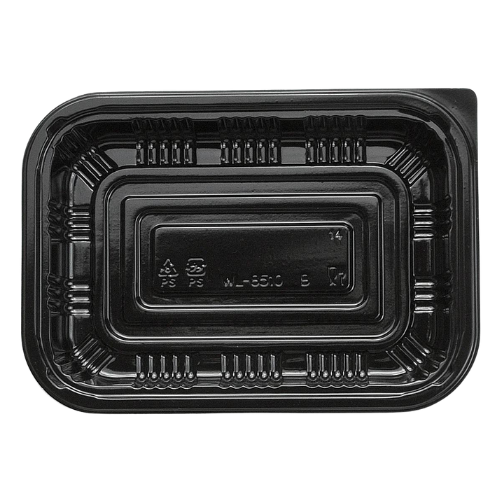
To sort plastics most Material Recovery Facilities utilize optical sorters that utilize NIR (near infrared spectroscopy). These sorters send out infrared lasers that help identify the material that is trying to be sorted for. When a black plastic has an infrared laser pointed at it the black carbon that is used to color the plastic absorbs the light and doesn’t refract it which allows the sorting equipment to understand what material it is looking at. Essentially the sorter views these items as invisible and the material gets sent out with the rest of the residual at the facility.
-
Wait to take out your food waste until the day before your scheduled collection day so that food waste does not sit in the container for a full week.
-
Try pouring any liquids down the drain before placing them into the cart; Liquids are often a heavy attractant for rodents or insects.
-
Consider storing the food scraps in your freezer; the odor that comes from food is part of the decomposition process from bacteria and that process is limited when food is frozen
-
Another consideration is once a year to wash out your cart to remove lingering residuals from food scraps and limit the interest from rodents and insects
-
Place food waste in a paper bag and then place it in your food and yard waste container, which keeps the container clean.